

Preparing your care scheduleConnecting you with our doctorsAlmost ready
Blog

Tips for parents

Simple, practical guidance on vaccines, fever, speech and feeding from the Little Care Connect team.

JNJ Kids Care Clinic and Vaccination Centre. Healthy Kids, Happier Tomorrow. Dr. Jean Pratheesh J, Pediatrician and Neonatologist. Consultation 9:00 AM to 12:00 PM and 6:00 PM to 9:00 PM, Monday to Saturday, Sunday on appointment. Appointments 94794 47515 and 92073 87687.
Vaccination

Why vaccines on time matter

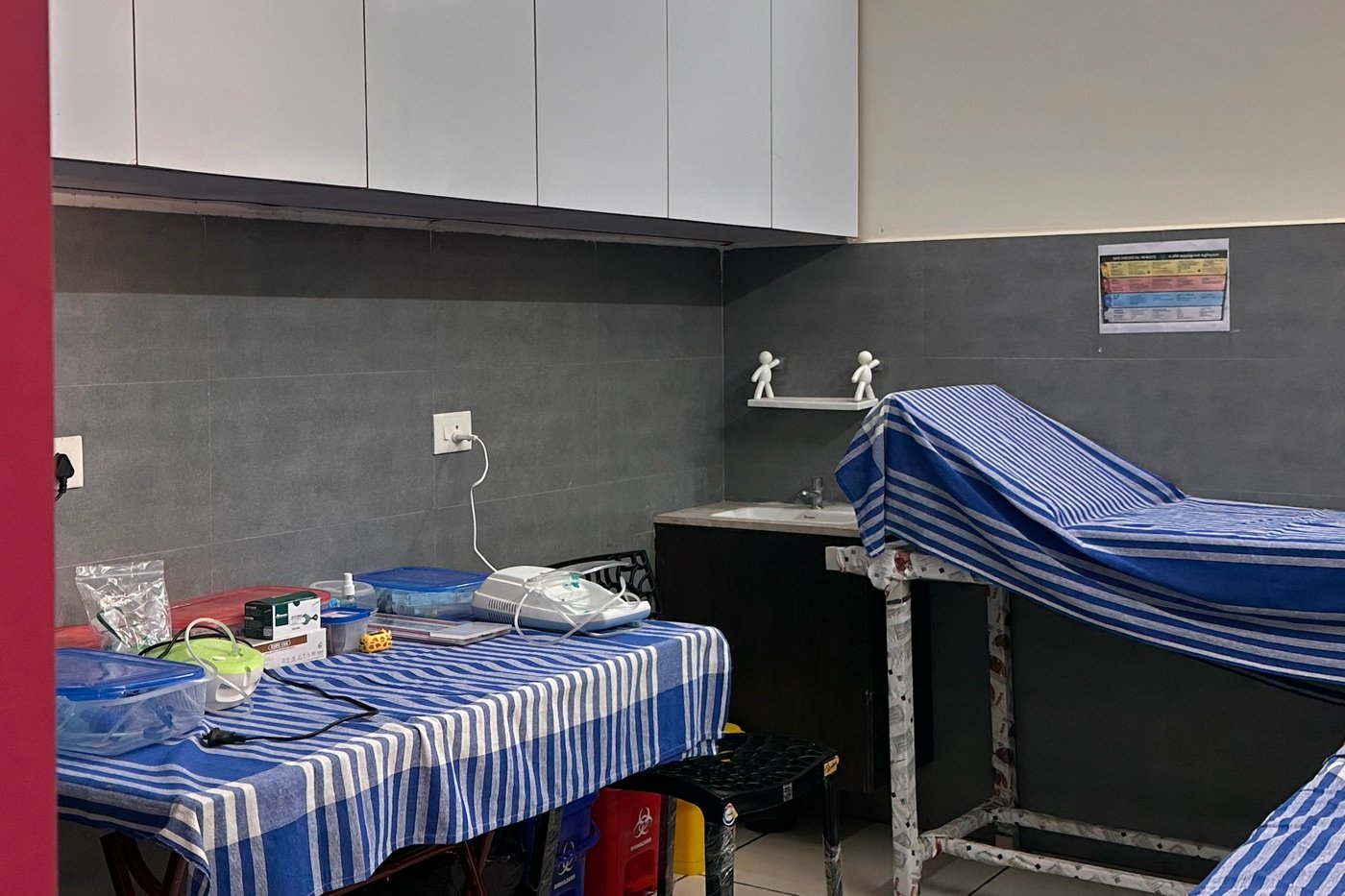
Child examination and treatment room at the clinic

Vaccines teach your child's body to recognize germs before it ever meets them. If the real germ shows up later, the body already knows how to respond.

Why the timing is important

  • Babies are most at risk early. Many vaccines start in the first weeks of life because young babies can become seriously ill from infections that older children handle more easily.
  • Some vaccines need more than one dose. Doses given a few weeks or months apart build stronger, longer-lasting protection.
  • Delays leave a gap. Every week a dose is late is a week your child is less protected.

What if a dose is missed?

Do not worry. In most cases a missed dose can be given later and the series does not have to start again. The doctor will check your child's vaccination card and plan the catch-up.

How we help

Our vaccination schedule page works out the date of every dose from your child's date of birth, shows which ones are overdue, and lets you pick a catch-up date. You can download it as a PDF and bring it to the clinic.

Back to all articlesBook Appointment
Vaccination

What to expect at your baby's vaccination visit

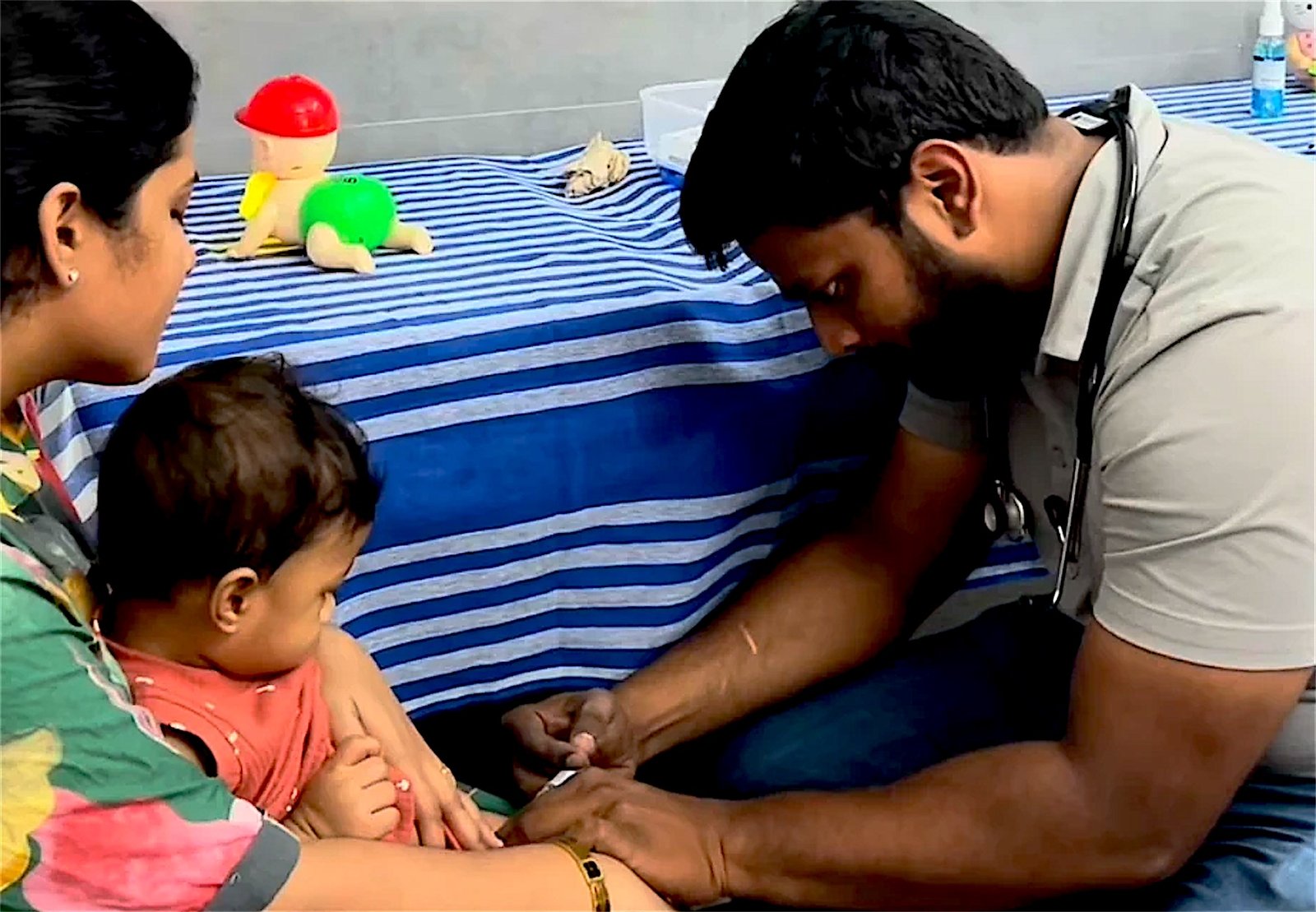
Dr. Jean giving a baby a vaccination while the mother holds the baby

A first vaccination visit can feel stressful. Knowing what happens makes it easier for you and for your baby.

Before you come

  • Bring your child's vaccination card and any earlier medical papers.
  • Feed your baby a little before the visit so they are settled.
  • Dress your baby in loose clothes that are easy to open at the legs or arms.
  • Tell the doctor if your child is unwell, has had a fever, or has ever had a reaction to a medicine or vaccine.

During the visit

  • The doctor checks your child's health, weight and growth first.
  • The doctor explains which vaccines are due and answers your questions.
  • Babies usually receive injections in the thigh. It takes only a moment.

Comforting your baby

Hold your baby close, speak softly and, if you are breastfeeding, feed right after the injection. Most babies settle within a few minutes. We may ask you to stay at the clinic for a short while before you go home.

Back to all articlesBook Appointment
Child health

Fever in children: what parents should know

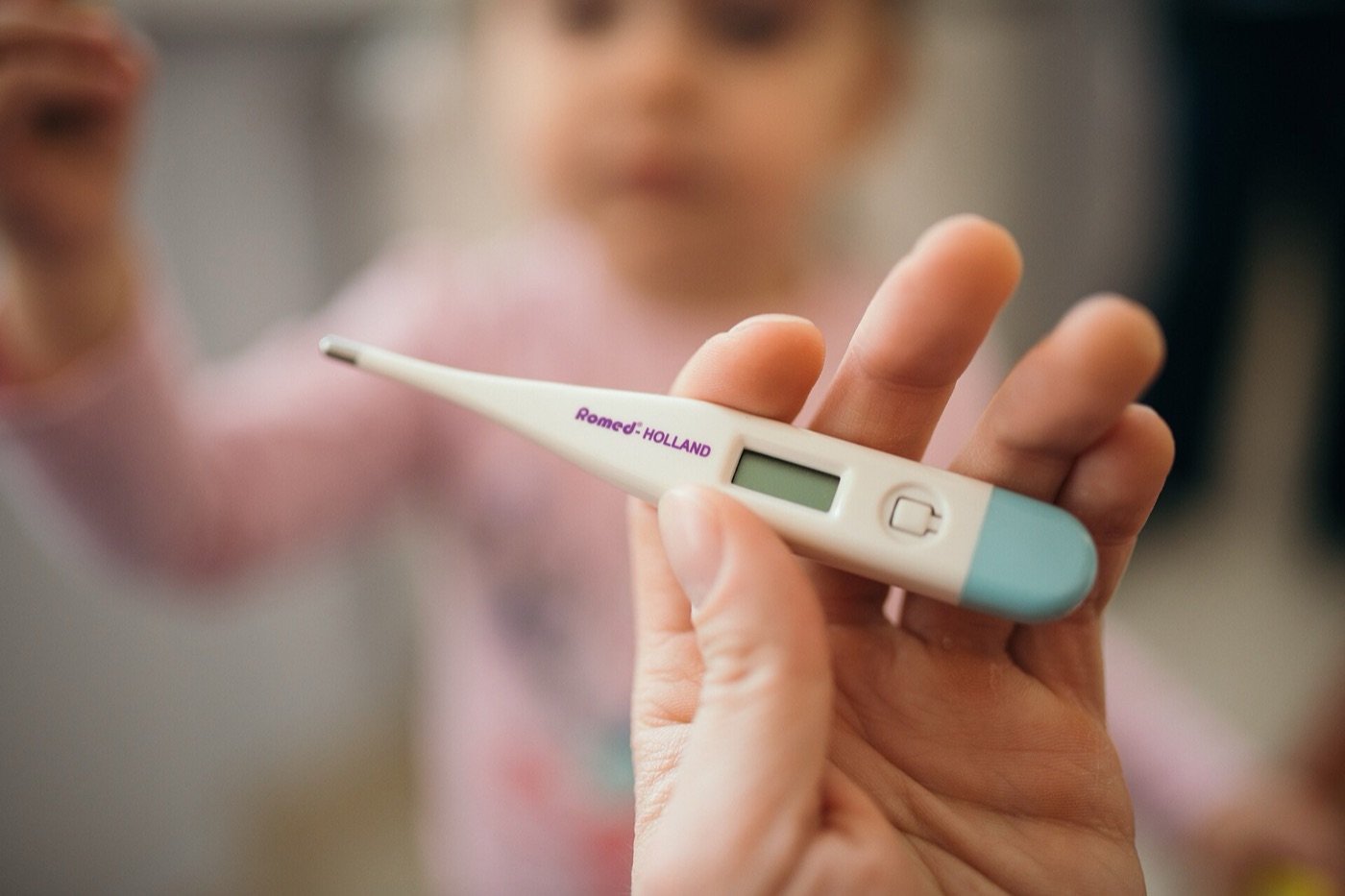
A digital thermometer held up in front of a young child

Fever is the body's way of fighting an infection. By itself it is not an illness, and most fevers in children settle in a few days. What matters most is how your child looks and behaves.

How to check

Use a thermometer. A temperature of 38°C (100.4°F) or higher is a fever.

See a doctor the same day if

  • Your baby is under 3 months old and has any fever. Please do not wait.
  • The fever lasts more than 3 days, or the temperature is very high.
  • Your child is unusually sleepy, floppy, hard to wake or very irritable.
  • Your child is not drinking, or is passing much less urine than usual.
  • There is fast or difficult breathing, a fit (convulsion), a stiff neck, or a rash that does not fade when pressed.

If any of these happen, go to the nearest emergency department or call the clinic straight away.

Comforting your child at home

  • Offer plenty of fluids and keep feeding.
  • Dress your child in light clothing and keep the room comfortable.
  • Let your child rest.
  • Give fever medicine only as advised by your doctor, with the dose chosen for your child's weight. Never give aspirin to children.
Back to all articlesBook Appointment
Vaccination

Caring for your child after a vaccine

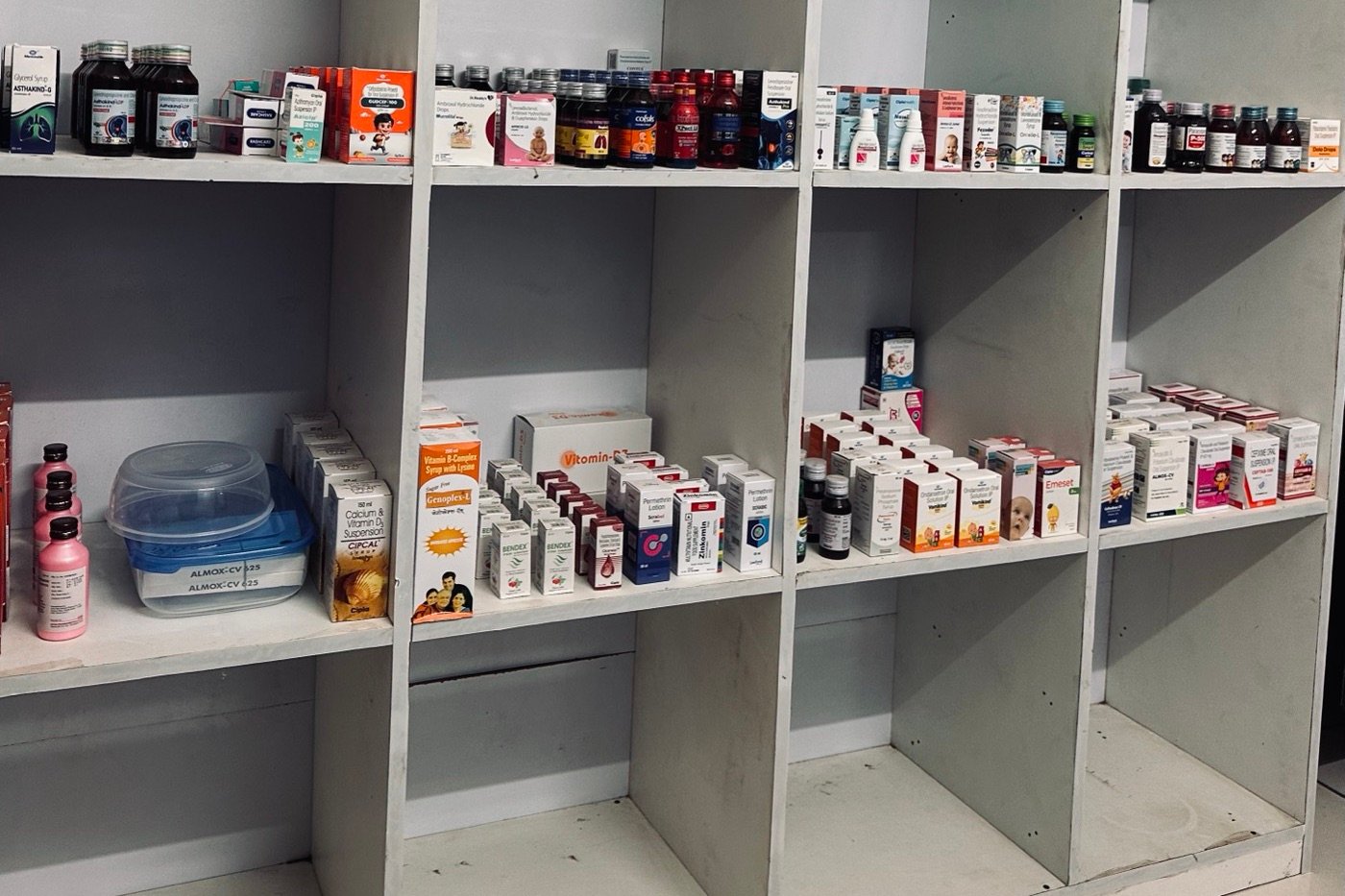
Medicine shelves in the clinic dispensary

Vaccines are very safe, but it is normal for children to have mild effects for a day or two as their body builds protection.

Common and expected

  • A sore, red or slightly swollen spot where the injection was given.
  • A mild fever, feeling tired, or being more fussy than usual.
  • Sleeping more, or feeding a little less for a day.

What helps

  • Extra cuddles, feeds and fluids.
  • Light clothing and a comfortable room.
  • Keep the injection site clean and dry, and do not rub it hard.
  • Ask the doctor before giving any medicine, and follow the dose advised for your child's weight.

Call the clinic if

  • The fever is high or lasts more than a day or two.
  • Your child cries without stopping for hours, or is very drowsy.
  • The swelling or redness keeps spreading.

Go to emergency care immediately if there is difficulty breathing, a swollen face or lips, or widespread hives soon after a vaccine. These are rare, but they need urgent help.

Back to all articlesBook Appointment
Speech & development

Is my child's speech on track? Early signs to watch

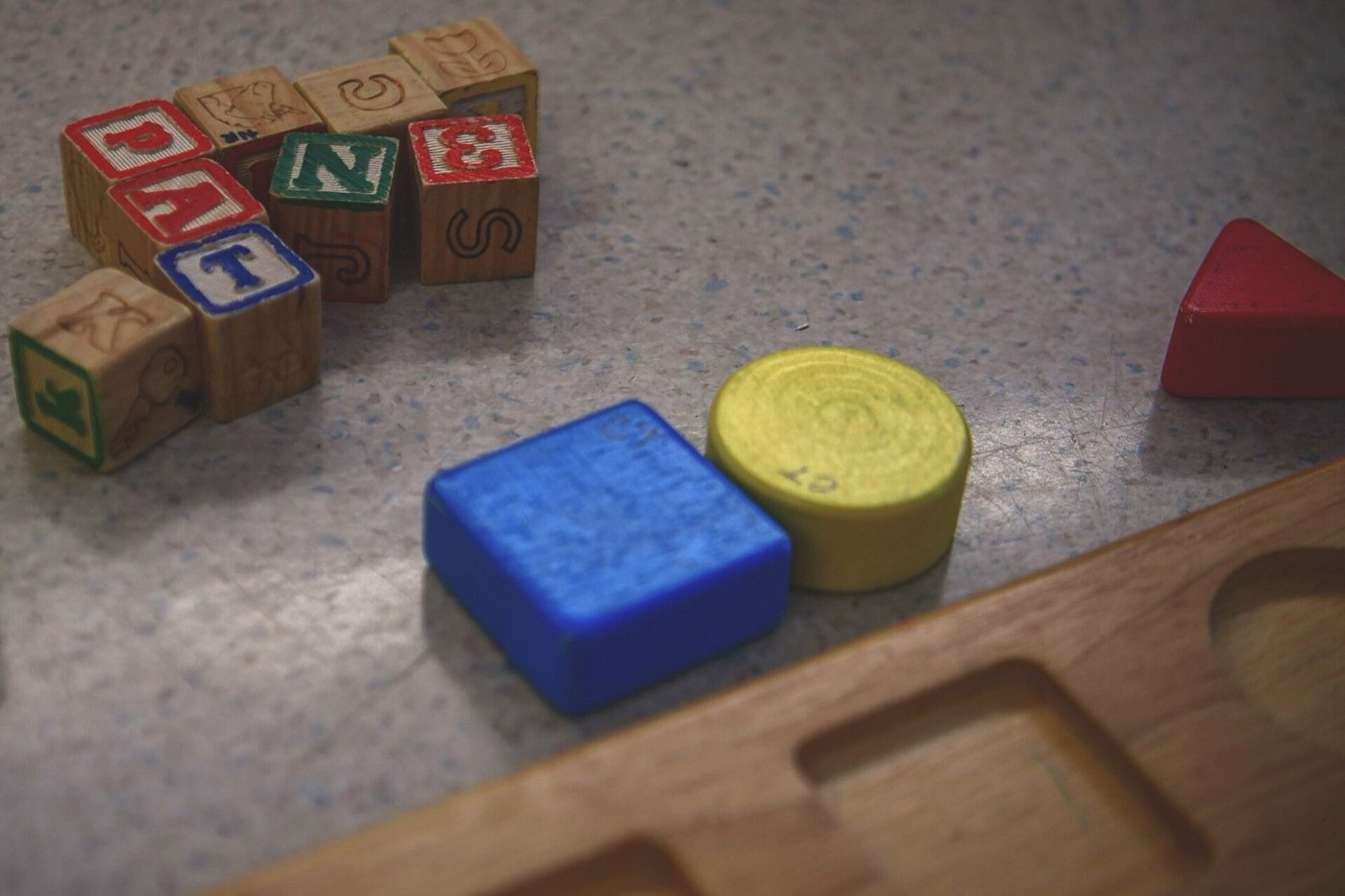
Wooden alphabet blocks and toys used in early learning and speech development

Children learn to talk at different speeds, and the ages below are only a rough guide. If you are worried, it is always fine to ask.

Rough milestones

  • By about 12 months: babbles ("ba-ba", "ma-ma"), responds to their name, and uses gestures such as waving or pointing.
  • By about 18 months: says a few words and understands simple requests like "give me the ball".
  • By about 2 years: starts putting two words together, such as "more milk".
  • By about 3 years: speaks in short sentences, and family members understand most of what your child says.

Talk to us if your child

  • Is not babbling or using gestures by 12 months.
  • Has no words by 18 months.
  • Does not seem to respond to sounds or to their name.
  • Loses words or skills they had before.
  • Rarely makes eye contact or shows interest in playing with others.

A hearing check is often the first step, because hearing problems can slow speech.

What helps at home

  • Talk through your day: "Now we wash your hands."
  • Read picture books and sing songs together every day.
  • Give your child time to answer before you speak for them.
  • Limit screen time and spend more time playing together.

Early support makes a real difference. Our speech therapy is led by Monisha, Speech-Language Pathologist at Pebbles Multi-Therapy Centre, and you can also start with an online consultation.

Back to all articlesBook Appointment
Nutrition

Starting solid foods: first foods for your baby

A baby feeding bowl and soft spoon for starting solid foods

For the first 6 months, breast milk alone gives your baby everything they need. From about 6 months, you can begin soft foods alongside breastfeeding.

Getting started

  • Begin with small spoonfuls of soft, mashed or pureed food, once or twice a day.
  • Good first foods include rice or ragi porridge, mashed banana, well-cooked mashed vegetables, and dal water or thin dal.
  • Add one new food at a time and wait a few days so you can notice any reaction.
  • Slowly make the food thicker and add more variety and more meals over the following months.

Keep in mind

  • Follow your baby's hunger and fullness signs, and never force a feed.
  • No honey before 1 year of age.
  • Do not add salt or sugar to your baby's food.
  • Avoid whole nuts, whole grapes and other hard pieces that can cause choking.
  • Do not replace breast milk or formula with cow's milk as the main drink before 1 year.

If your child has a family history of allergies or you notice a rash, vomiting or swelling after a new food, please talk to the doctor.

Back to all articlesBook Appointment

Good to know: these articles are general information for parents. Every child is different, so please see a doctor for advice about your own child, and go to emergency care straight away if you are worried about your child's breathing, responsiveness or a fit.

Have a question about your child?

Message the clinic on WhatsApp and our team will help.

Photos: thermometer – Shixart1985, Wikimedia Commons, CC BY 2.0; feeding bowl – MAKY.OREL, CC0; alphabet blocks – U.S. Air Force, public domain; other photos belong to the clinic.

Call 94794 47515